Counter‑Strike in 2026: Which Versions Still Live Through Their Communities
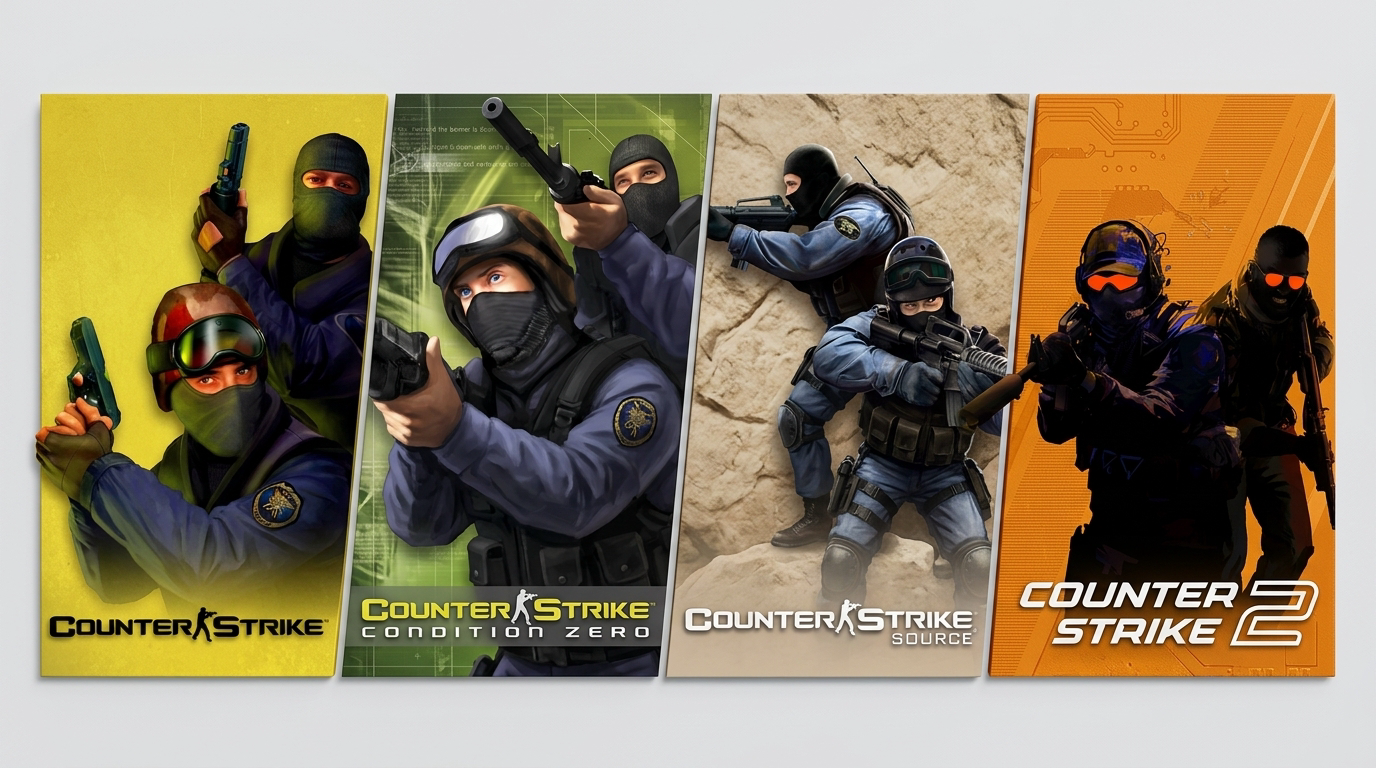
The Real State of Counter‑Strike Community Servers in 2026
Counter‑Strike has never been just a game. It’s a culture built on community servers, clans, mods, and players hosting their own worlds. Even after multiple engine changes and more than two decades of evolution, the community‑run ecosystem is still alive - just very different depending on which version of the game you look at.
Derax.gg maintains one of the largest active Counter‑Strike server lists in the world. Servers that stay offline for more than 30 days are automatically removed, giving us a realistic snapshot of what’s actually alive today.
The player numbers in this article come from our own monitoring. Derax.gg checks every listed server around the clock and stores its player count once an hour. They cover the 30 days from 6 September to 5 October 2026 and count only servers that were on our list for that whole month, so newly added servers don’t show up as growth. Servers we disqualified for faking player counts are left out.
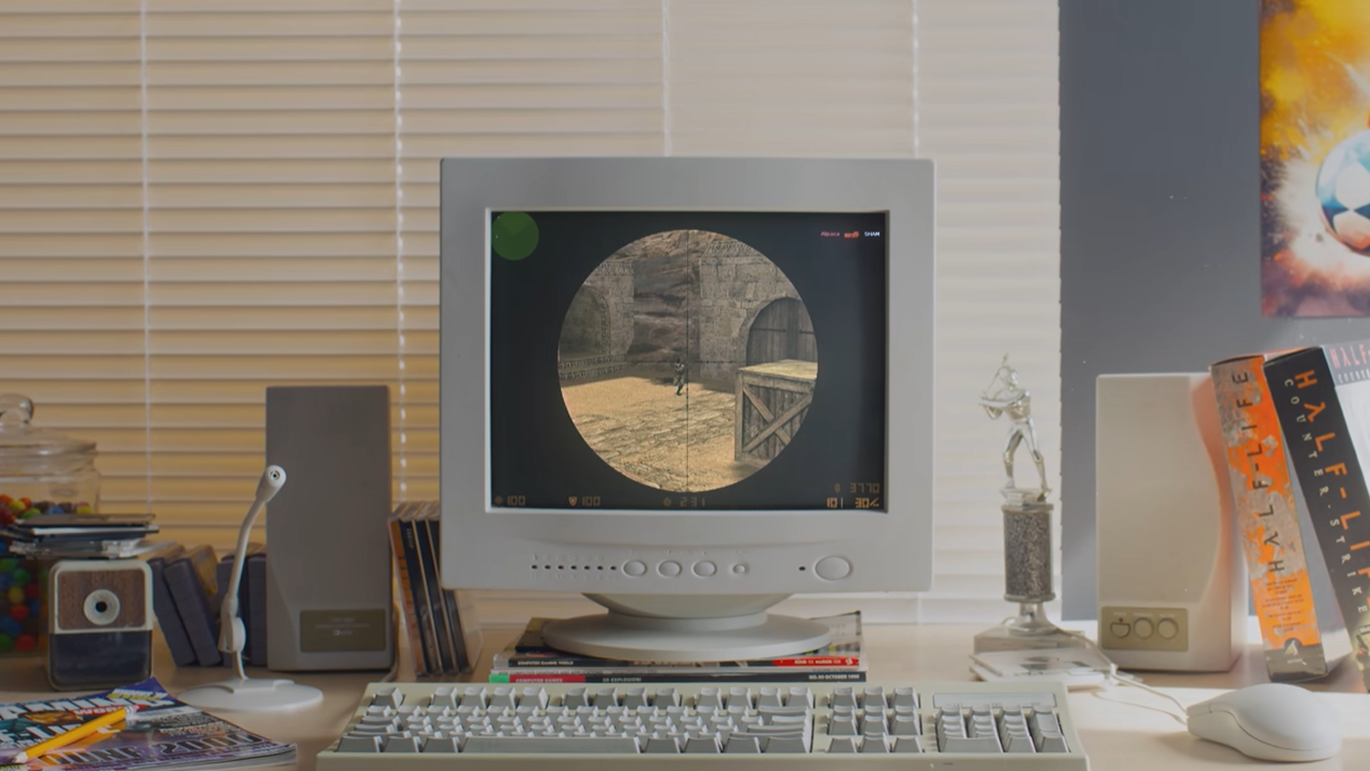
Active Community Server Counts (October 2026)
CS 1.6 (2003)
7,410 active servers
CS: Condition Zero (2004)
103 active servers
CS: Source (2004)
1,688 active servers
CS:GO (2012-2023)
(CS2 fully replaced CS:GO, so active GO servers no longer exist.)
CS2 (2023)
6,210 active servers
CS 1.6 - The Immortal Classic
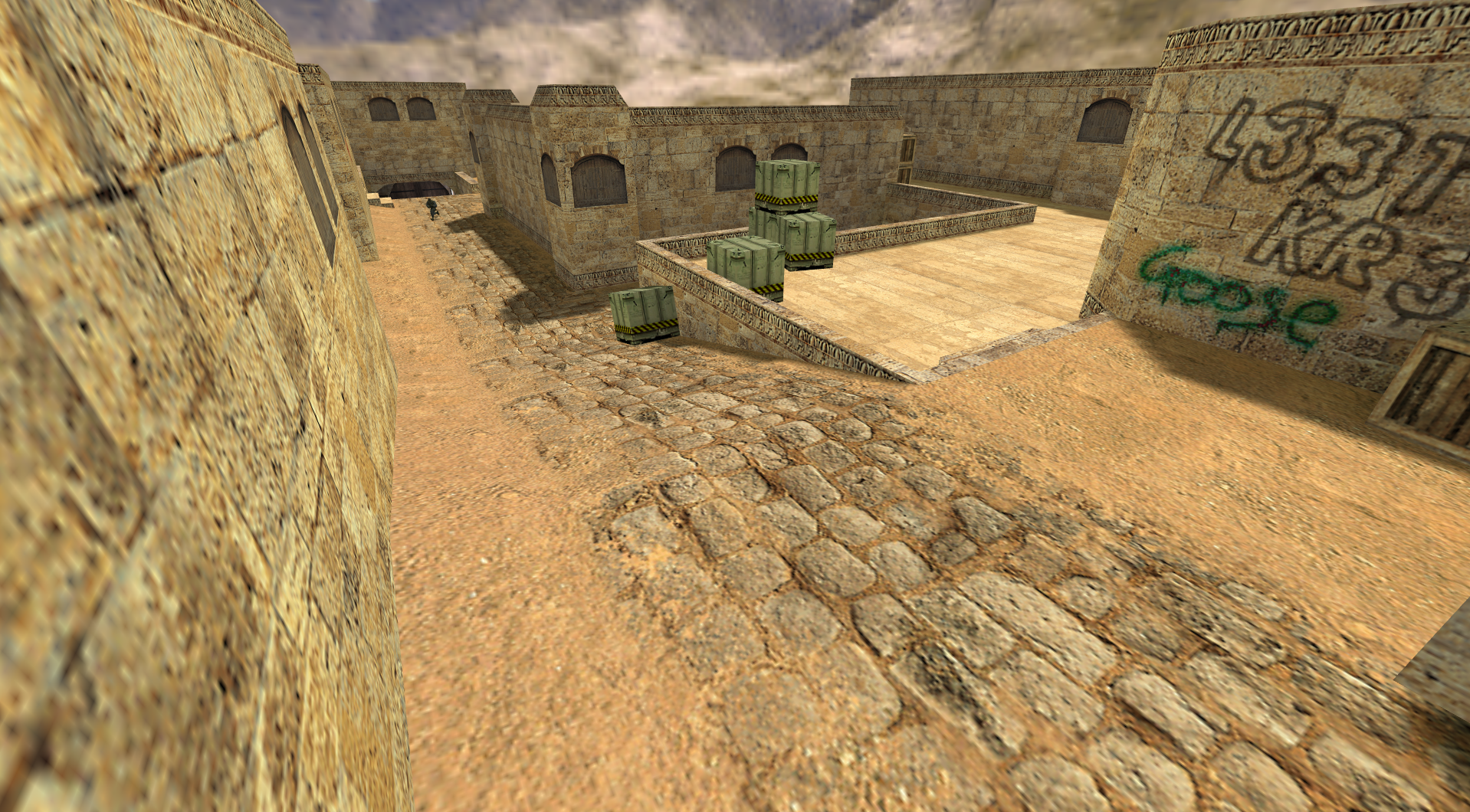
Why CS 1.6 Still Dominates
CS 1.6 remains the strongest community‑driven Counter‑Strike by a massive margin. More than 7,400 active servers in 2026 is not nostalgia - it’s proof of a game that refuses to die.

On an average hour last month, 20,327 players were on the CS 1.6 servers we track, with a peak of 27,991 on Sunday 20 September at 17:00 UTC. It never really empties: even at 03:00 UTC, its quietest hour, about 15,400 players are still online.
Its physics, movement, and modding freedom created entire subcultures that still exist today. The game is lightweight, runs on anything, and can be shaped into almost any experience.
The Modding Scene That Defined a Generation
CS 1.6 produced some of the most iconic community modes in FPS history:
HnS (Hide and Seek)
Zombie Plague / Zombie Escape
Jailbreak
Deathrun
KZ (Kreedz Climbing)
LongJump / MultiJump
BHOP
Surf
GunGame
War3FT (Warcraft mod)
BaseBuilder
SoccerJam
Paintball
FY maps
Knife servers
Fun mods
SuperHero Mod
Blockmaker HNS
These weren’t just servers - they were communities, clans, forums, and friendships. CS 1.6’s modding flexibility and low hardware requirements make it a timeless game that will likely remain part of Counter‑Strike culture forever.
CS: Condition Zero - A Polished 1.6 That Never Took Over
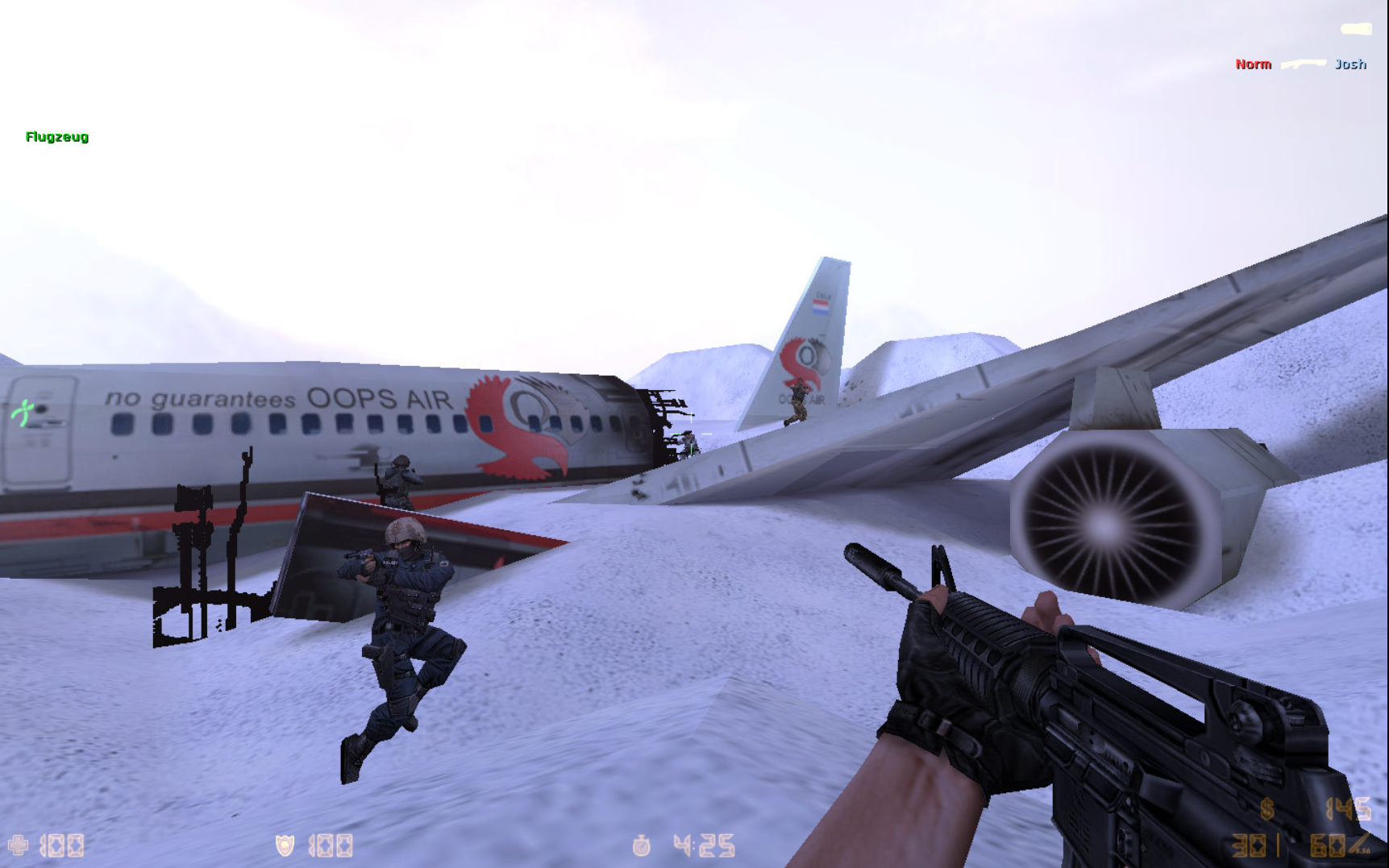
A Small but Loyal Niche
Condition Zero was essentially a prettier version of 1.6 with a single‑player campaign. But the multiplayer community never grew. Today’s 103 active servers reflect exactly that.
CZ wasn’t a bad game - it simply didn’t offer enough to pull players away from 1.6. Most communities stayed with the classic, and CZ settled into a tiny but loyal niche.

CZ averaged 127 players per hour last month and peaked at 236. Its evening also starts later than everyone else’s: the busiest hour is 19:00 UTC, two hours after the other versions.
CS: Source - The Bridge That Never Became the Main Road
Stuck Between Two Eras
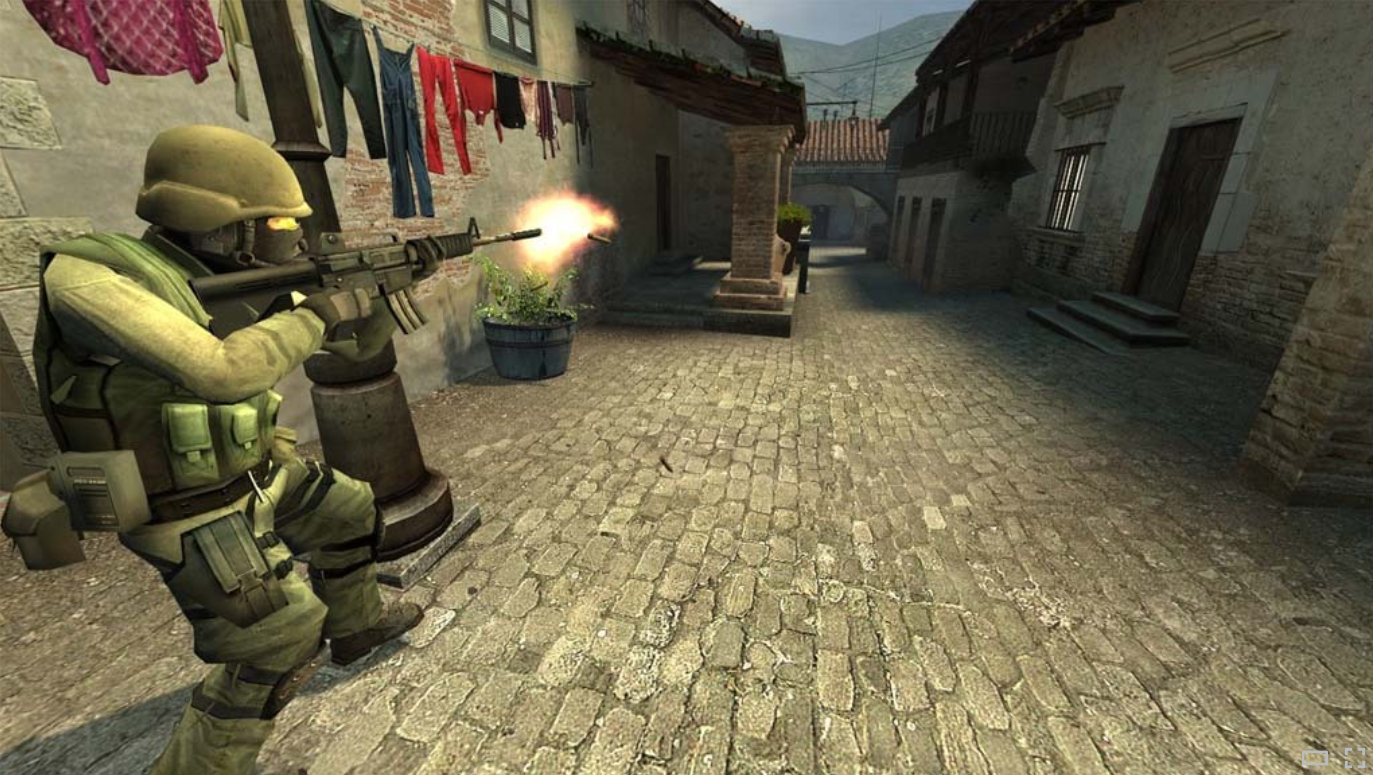
CS:S was meant to be the future - the transition from GoldSrc to Source. But many 1.6 players didn’t like the new physics, and the competitive scene stayed loyal to 1.6 for years.
Even though Source had a professional circuit, the big names and big tournaments still revolved around 1.6 until CS:GO (2012) arrived. Only GO finally caused the decline of 1.6’s dominance.
A Stable Community That Never Exploded
Today, 1,688 active servers show that Source still has a stable ecosystem, mostly made up of long‑running clans and older groups that never left. It’s healthy, but it never became the cultural successor Valve hoped for.

CS:S averaged 2,510 players per hour and peaked at 4,077, on the same Sunday evening as CS 1.6.
CS:GO - The Decade That Defined Modern Counter‑Strike
The Most Influential Era Since 1.6
CS:GO launched in 2012 and ran for more than a decade. It became the biggest Counter‑Strike ever - not just competitively, but also in terms of community servers, workshop maps, modding, and global reach.
GO had:
massive surf communities
KZ clans and global leaderboards
retake servers
aim servers
deathmatch hubs
thousands of workshop maps
rich modding tools
huge regional communities
CS:GO was the first Counter‑Strike that truly unified the world under one version. It replaced 1.6 as the competitive standard and built a community‑server ecosystem that was larger than anything before it.
The Sudden End
In 2023, Valve replaced CS:GO with CS2 overnight. GO was removed from Steam, and its server binaries were overwritten.
This means CS:GO no longer has active servers, even though its decade of influence is impossible to ignore.
CS2 inherited GO’s playerbase - but not its community‑server ecosystem.
CS2 - The Direct Successor to CS:GO
A Rebuilt Game That Replaced GO Overnight
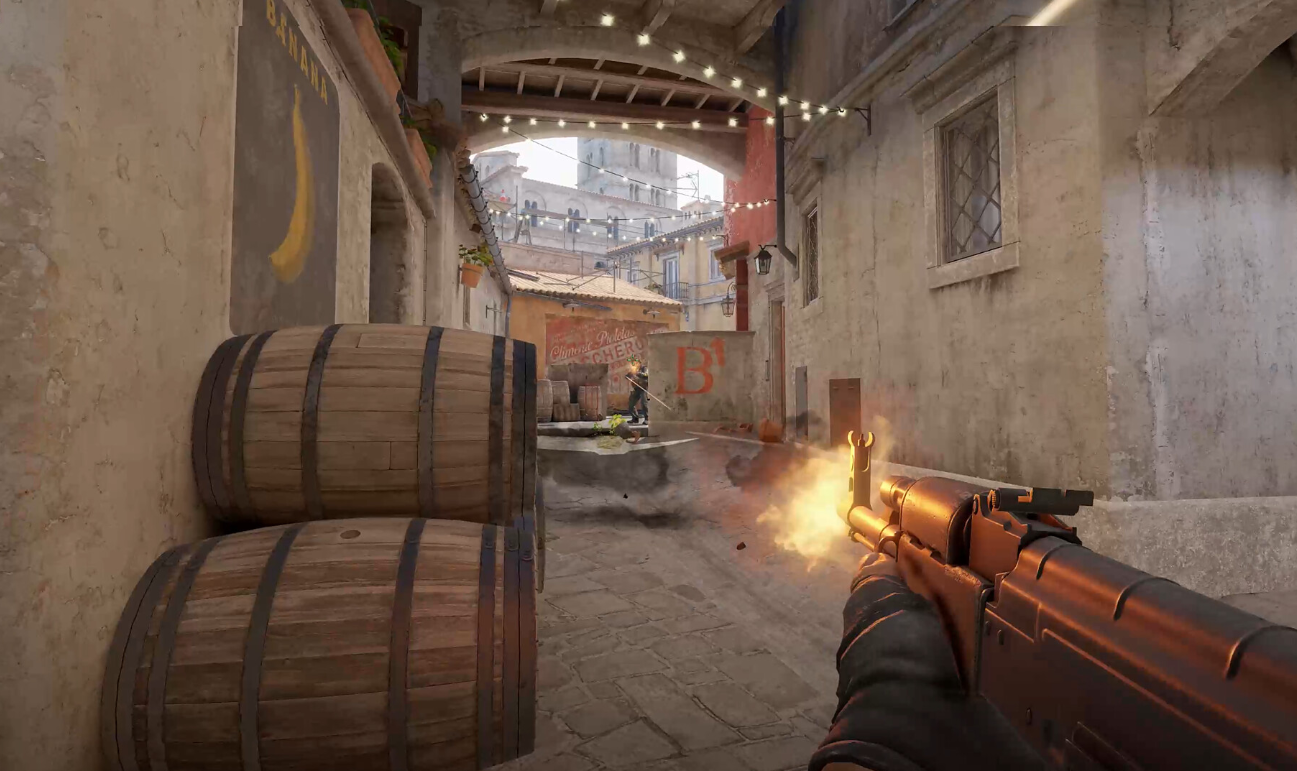
CS2 isn’t just “the new Counter‑Strike.” It is the direct replacement for CS:GO - a rebuilt version on Source 2 that completely overwrote GO on launch.
And that matters, because CS:GO had a massive community‑server ecosystem that CS2 did not inherit automatically.
A Growing Ecosystem Still Behind GO
CS2 currently has 6,210 active servers, close to the 7,410 of CS 1.6. Its players are spread much thinner, though: on an average hour a CS2 community server has about 1.4 players, a CS 1.6 server about 3.4.
The potential is there, but the community‑server culture is still rebuilding.

CS2 averaged 6,592 players and peaked at 12,790 on Saturday 12 September. It is the most evening-driven version of all: at 03:00 UTC only about 2,100 players are left, 18% of its evening peak.
Peak‑Time Player Activity
Server counts tell one story; players online tell the real one. The busiest hour of the last 30 days, with the average hour in brackets:
CS 1.6: 27,991 players (average 20,327)
CS: Condition Zero: 236 players (average 127)
CS: Source: 4,077 players (average 2,510)
CS2: 12,790 players (average 6,592)


All four are busiest in the European evening, at 17:00 UTC (19:00 in Central Europe), with Condition Zero two hours later. What separates them is the night: at its quietest hour CS 1.6 still has 57% of its evening players, CS:S 43%, CZ 40% and CS2 only 18%.
It’s important to note that our list does not include every community server worldwide. Some servers are hidden, private, or don’t respond to status queries. Real numbers may be 10-20% higher, especially for CS 1.6 and CS:S, where many regional communities run their own independent lists.
What the Numbers Really Show
Four Games, Five Eras
Counter‑Strike isn’t one game - it’s five different cultures living under the same name.
CS 1.6 (2003)
Still the strongest community‑server ecosystem thanks to modding freedom, movement, and timeless physics.
CS:CZ (2004)
A small niche that never grew beyond its roots.
CS:S (2004)
The middle child - stable, but never dominant.
CS:GO (2012-2023)
The modern giant that defined a decade of Counter‑Strike and built the largest community ecosystem ever.
CS2 (2023)
The official successor to GO, still rebuilding its community ecosystem.
Conclusion: Counter‑Strike’s Community Lives On - Just Not in One Place
Counter‑Strike’s history is a timeline of communities, not just releases. Each version has its own identity, its own movement, its own modding scene, and its own loyal players who keep it alive long after the industry moves on.
And in 2026, one thing is clear:
Counter‑Strike isn’t defined by its newest version - it’s defined by the players who keep every era alive.